

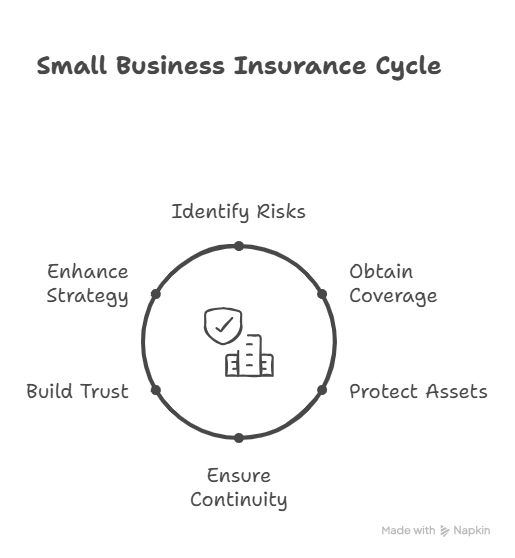
Running a small business in today’s economy means balancing opportunity with risk. Whether you operate a retail store in the United States, a consulting agency in the UK, a startup in Canada, or a logistics company in Australia, one unexpected lawsuit, cyberattack, or workplace injury can disrupt years of hard work. That is why small business insurance has become one of the most important investments for entrepreneurs, LLC owners, contractors, agencies, healthcare providers, and growing enterprises across Tier One markets.
Modern businesses face evolving challenges. Rising legal costs, employee claims, cybersecurity threats, equipment damage, and supply chain interruptions affect companies of every size. A single data breach can cost thousands of dollars. A customer injury claim may lead to expensive litigation. Severe weather or operational shutdowns can halt revenue for weeks. Business insurance provides financial protection, legal support, and operational stability when these situations occur.
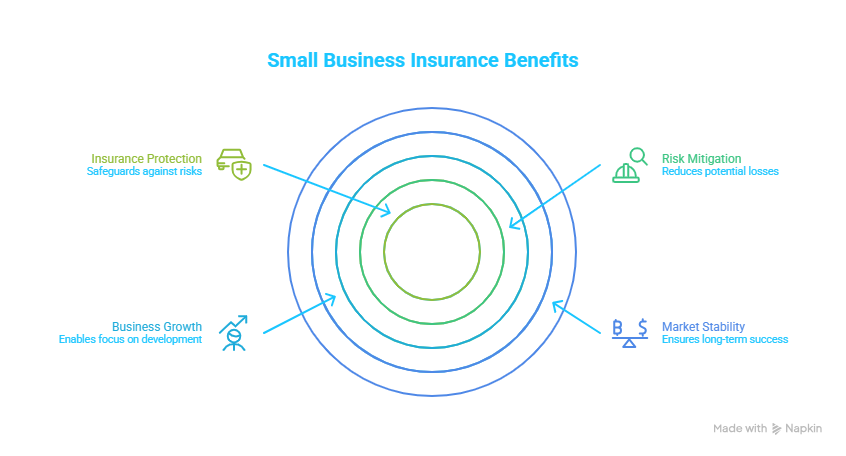
The right coverage does more than protect assets. It helps companies secure contracts, attract investors, comply with regulations, and maintain customer trust. From General Liability Insurance and Workers’ Compensation Insurance to Cyber Liability Insurance and Commercial Property Coverage, businesses now have access to flexible policies designed for industry-specific risks.
Many entrepreneurs delay coverage because they believe insurance is too expensive or complicated. In reality, affordable commercial insurance options are widely available for startups, freelancers, contractors, restaurants, clinics, and digital businesses. Smart policy planning can reduce long-term risk while supporting sustainable growth.
Key Takeaway: Business insurance is not just a legal requirement in many industries—it is a growth strategy that protects cash flow, reputation, and long-term success.
Explore more details here → Learn how customized business insurance solutions can help your company scale safely across the USA, UK, Canada, and Australia.
Business Insurance Solutions for Small Companies Expanding in the US, UK, Canada & Australia
Expanding a small business into competitive markets like the US, UK, Canada, and Australia creates exciting opportunities, but it also introduces legal, operational, and financial risks. Business insurance solutions help entrepreneurs manage uncertainty while maintaining compliance across multiple regions and industries.
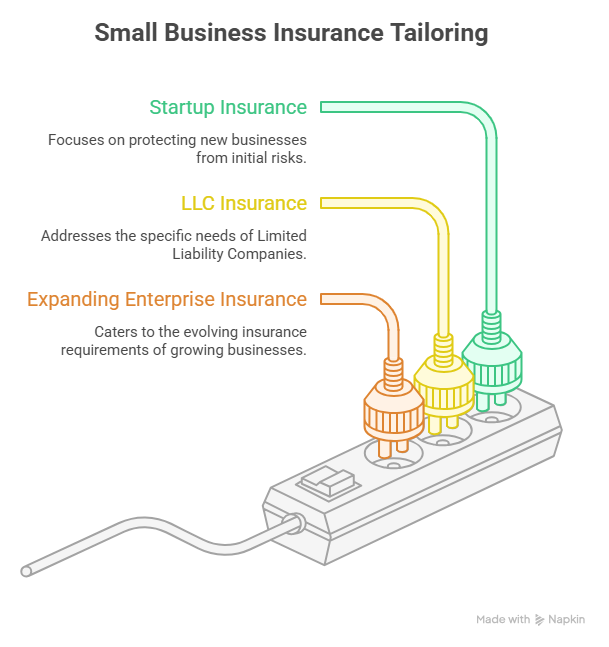
A startup software company in Toronto may require cyber liability insurance to protect client data. A construction contractor in Texas needs workers’ compensation and general liability insurance. A café owner in Sydney benefits from commercial property insurance and restaurant liability coverage. Different industries demand different protection strategies.
One of the biggest mistakes small business owners make is purchasing generic policies without understanding local regulations and operational exposures. Insurance providers now offer scalable plans tailored to startups, LLCs, remote teams, ecommerce businesses, healthcare practices, and logistics companies.
| Business Type | Recommended Coverage | Primary Benefit |
| SaaS Startup | Cyber Liability + Professional Liability | Data protection and legal defense |
| Restaurant | Property + Liability + Workers’ Comp | Employee and customer safety |
| Retail Store | Commercial Property + BOP | Asset protection |
| Healthcare Clinic | Medical Malpractice Insurance | Legal and compliance support |
| Delivery Company | Commercial Auto Insurance | Fleet protection |
Case Study: A growing digital marketing agency in London experienced a client dispute involving advertising performance claims. Their professional liability insurance covered legal costs and settlement expenses, saving the business from severe financial strain.
Insurance policies also improve credibility. Many enterprise clients require vendors to provide proof of insurance before signing contracts. This means insurance can directly support business growth and revenue opportunities.
Key Tip: Choose insurance providers that understand regional compliance laws and offer flexible scaling options for growing businesses.
Result: Businesses with strong insurance planning recover faster from disruptions and maintain stronger investor confidence.
Explore more details here → Compare commercial insurance packages designed for startups and growing companies in Tier One markets.
Learn More About Small Business Insurance for Startups, LLCs & Growing Enterprises
Startups and LLCs often operate with limited budgets, making financial protection even more important. Small business insurance protects entrepreneurs from legal claims, operational losses, and unexpected emergencies that could otherwise force closure.
Many new businesses assume they do not need coverage until they become profitable. However, risks begin on day one. A freelancer may face copyright disputes. An ecommerce business may experience product liability claims. A startup with remote employees may suffer cyberattacks or equipment theft.
Business insurance policies for startups typically include:
| Insurance Type | Best For | Estimated Risk Reduction |
| General Liability Insurance | Customer claims and accidents | High |
| Professional Liability Insurance | Service-related disputes | High |
| Cyber Liability Insurance | Online businesses and SaaS | Critical |
| Business Owners Policy (BOP) | Combined affordable protection | Cost-efficient |
| Workers’ Compensation | Employee injury coverage | Mandatory in many areas |
Mini Case Study: A US-based e-commerce startup lost customer payment data during a cyberattack. Cyber liability insurance helped cover legal fees, customer notification costs, and forensic investigations. Without coverage, the company would likely have faced bankruptcy.
Insurance also supports long-term business planning. Investors and lenders often view insured companies as lower-risk organizations. This can improve financing opportunities and strategic partnerships.
Micro-CTA: Protect your startup before problems occur. Compare insurance options early to avoid larger financial risks later.
Key Takeaway: Insurance is not just about compliance—it creates financial stability, operational confidence, and growth opportunities for modern businesses.
Business Insurance by State, Province & Region for Tier One Market Compliance
Insurance laws differ across the United States, United Kingdom, Canada, and Australia. Small businesses expanding internationally must understand local requirements to avoid fines, legal disputes, and operational interruptions.
For example, workers’ compensation insurance requirements vary significantly by US state. California has strict employee protection laws, while Texas offers different regulatory structures. In Canada, workers’ compensation systems are managed provincially. Australia requires employer compliance under regional workplace safety frameworks.
| Region | Common Mandatory Insurance | Key Compliance Concern |
| USA | Workers’ Compensation | State-specific labor laws |
| UK | Employers’ Liability Insurance | Employee protection compliance |
| Canada | Workers’ Compensation | Provincial regulations |
| Australia | Workers’ Compensation | Workplace injury obligations |
Businesses operating across borders often require specialized insurance brokers familiar with regional compliance standards. This becomes especially important for healthcare providers, contractors, logistics companies, and hospitality brands.
Case Example: A construction company expanding from Canada into the US faced compliance penalties because their workers’ compensation coverage did not meet state requirements. After updating their insurance structure, they avoided future legal risks and secured larger contracts.
Key Tip: Review insurance requirements annually because laws and industry regulations frequently change.
Result: Companies that maintain regional compliance reduce litigation risk and build stronger relationships with clients and regulators.
Explore more details here → Work with insurance advisors who understand cross-border commercial insurance requirements.
Small Business Insurance Calculator for Accurate Coverage and Cost Estimation
Many business owners ask the same question: “How much does small business insurance cost?” The answer depends on industry, revenue, payroll size, location, and risk exposure. Insurance calculators help businesses estimate accurate coverage needs and monthly costs.
A freelance consultant may pay less than a manufacturing company with heavy equipment and multiple employees. Similarly, a restaurant in New York faces different risks than a software startup in Melbourne.
| Business Factor | Impact on Premium |
| Industry Risk | High-risk industries pay more |
| Employee Count | Larger payroll increases workers’ comp costs |
| Annual Revenue | Higher revenue may increase liability exposure |
| Business Location | Urban areas often carry higher premiums |
| Claims History | Previous claims raise costs |
Average Monthly Premium Estimates:
| Business Type | Estimated Monthly Cost |
| Freelancer | $30–$60 |
| Retail Store | $80–$200 |
| Restaurant | $150–$500 |
| Tech Startup | $100–$350 |
| Healthcare Practice | $250–$1,000+ |
Case Study: A small plumbing company used an insurance calculator to identify unnecessary overlapping coverage. Adjusting the policy structure reduced annual premiums by 18% while maintaining compliance.
Micro-CTA: Use business insurance calculators regularly to compare rates and optimize protection.
Key Takeaway: Smart insurance planning balances affordability with comprehensive protection, reducing long-term financial risk.
Business Insurance Policies Designed for Modern Small Business Risks
Modern businesses face risks that did not exist a decade ago. Cybercrime, remote work liabilities, online fraud, intellectual property disputes, and digital compliance issues now affect companies worldwide. Insurance providers have adapted by creating specialized coverage options for emerging risks.
Digital agencies, SaaS platforms, ecommerce businesses, and hybrid workplaces require flexible insurance strategies. Traditional policies alone may not protect against ransomware attacks, social engineering fraud, or remote employee liabilities.
| Modern Risk | Recommended Insurance |
| Cyberattacks | Cyber Liability Insurance |
| Remote Work Claims | EPLI + Liability Coverage |
| Data Breaches | Cybersecurity Insurance |
| Online Service Errors | Professional Liability |
| Supply Chain Disruptions | Business Interruption Insurance |
Mini Case Study: A remote accounting firm in Australia experienced a phishing attack that compromised client information. Their cybersecurity insurance policy covered investigation expenses, legal support, and customer recovery services.
Key Tip: Review your policy coverage whenever your business model changes.
Result: Businesses with modern insurance protection recover faster from digital and operational disruptions.
Explore more details here → Discover insurance policies designed specifically for remote businesses, startups, and technology companies.
Business Owners Policy (BOP) Coverage for Cost-Effective Protection and Growth
A Business Owners Policy (BOP) combines essential coverages into one affordable package. It typically includes general liability insurance, commercial property insurance, and business interruption coverage. This bundled approach makes BOP insurance highly popular among small businesses.
| Included Coverage | Purpose |
| General Liability | Third-party injury and property damage |
| Commercial Property | Building and equipment protection |
| Business Interruption | Lost income during shutdowns |
Small retailers, cafés, agencies, and local service providers often benefit most from BOP coverage. Bundling policies usually lowers costs compared to purchasing separate insurance plans.
Case Study: A family-owned bakery in Chicago suffered water damage after a pipe burst. Their BOP insurance covered repairs, lost income during closure, and damaged inventory replacement costs.
Micro-CTA: Compare BOP policies to reduce insurance expenses while increasing protection.
Key Takeaway: BOP coverage offers affordable, simplified protection for growing small businesses.
Medical Malpractice Insurance for Clinics, Healthcare Providers & Private Practices
Healthcare professionals operate in one of the highest-risk industries for liability claims. Medical malpractice insurance protects clinics, physicians, therapists, dentists, and private healthcare practices against allegations of negligence, treatment errors, or patient harm.
| Healthcare Sector | Common Risk |
| Clinics | Misdiagnosis claims |
| Dental Practices | Procedure complications |
| Telemedicine Providers | Digital consultation disputes |
| Private Practices | Patient injury lawsuits |
Medical malpractice claims can involve massive legal costs, even if the provider is not at fault. Insurance helps cover attorney fees, court settlements, expert witnesses, and regulatory compliance support.
Case Example: A private clinic in Canada faced a delayed diagnosis lawsuit. Their malpractice insurance provided legal defense and settlement support, preventing severe financial damage.
Key Tip: Healthcare providers should review policy limits annually to match growing patient volume and regulatory changes.
Result: Strong malpractice insurance helps protect professional reputations and long-term practice stability.
Restaurant Insurance Coverage for Food Businesses, Cafés & Franchise Owners
Restaurants face unique operational risks every day. Kitchen fires, food contamination, employee injuries, and customer accidents can quickly create financial crises. Restaurant insurance combines multiple protections into one specialized package.
| Restaurant Risk | Recommended Coverage |
| Kitchen Fire | Commercial Property Insurance |
| Foodborne Illness | General Liability |
| Employee Injury | Workers’ Compensation |
| Delivery Vehicle Damage | Commercial Auto Insurance |
Case Study: A franchise café in Sydney experienced a refrigeration failure that spoiled thousands of dollars in inventory. Their insurance policy covered equipment repairs and inventory replacement, allowing operations to resume quickly.
Micro-CTA: Restaurant owners should review insurance before expanding delivery or catering services.
Key Takeaway: Specialized restaurant insurance protects revenue, staff, equipment, and customer trust.
Health Insurance for Your Business and Employees Across Tier One Markets
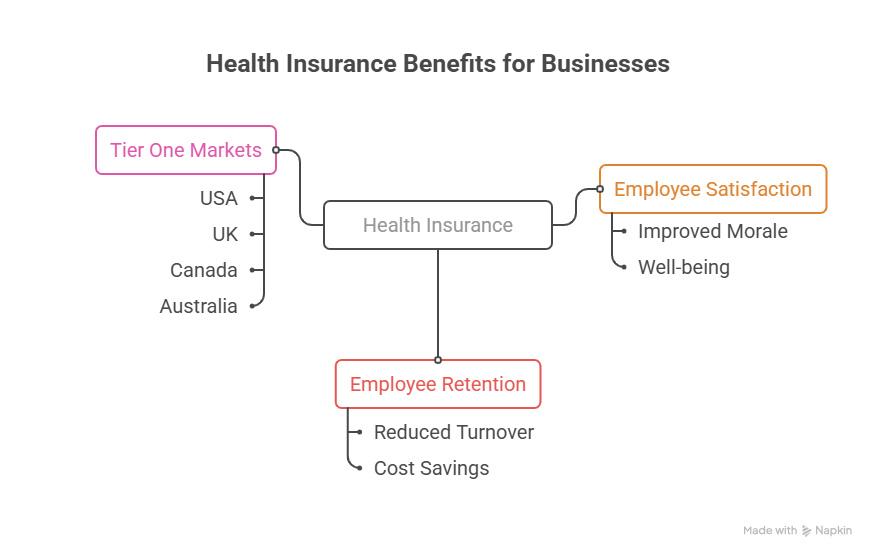
Employee health benefits remain one of the strongest tools for attracting and retaining skilled workers. Small businesses across the USA, UK, Canada, and Australia increasingly offer health insurance to improve employee satisfaction and reduce turnover.
| Benefit | Business Impact |
| Employee Retention | Higher loyalty |
| Recruitment Advantage | Stronger talent acquisition |
| Workplace Productivity | Reduced absenteeism |
| Tax Advantages | Potential financial savings |
Healthcare costs continue to rise globally. Group health insurance plans help businesses manage expenses while supporting employee wellness.
Case Study: A Canadian technology startup introduced employee health insurance and reduced staff turnover by nearly 25% within one year.
Key Tip: Compare group health insurance plans annually to maintain cost efficiency and competitive employee benefits.
Explore more details here → Learn how employee health insurance supports growth, recruitment, and workforce stability.
Sell SHOP Health Insurance to Small Businesses and Employer Groups
SHOP health insurance programs provide small businesses with structured employee healthcare coverage solutions. These plans often support companies with fewer employees and help employers manage healthcare costs efficiently.
| SHOP Coverage Benefit | Employer Advantage |
| Group Purchasing Power | Lower premiums |
| Employee Benefits | Better retention |
| Tax Credits | Potential savings |
| Flexible Plan Options | Greater customization |
Businesses that offer healthcare benefits often experience stronger morale and reduced absenteeism. SHOP programs also simplify administrative management for small employers.
Case Example: A small marketing firm in the UK adopted structured employee healthcare coverage and improved employee retention while lowering recruitment costs.
Key Takeaway: Affordable employee healthcare solutions support long-term workforce growth and operational stability.
Affordable General Liability Insurance for Small Businesses in High-Risk Industries
General liability insurance protects businesses against third-party claims involving bodily injury, property damage, and advertising disputes. High-risk industries like construction, manufacturing, food services, and logistics depend heavily on this coverage.
| Industry | Common Liability Risk |
| Construction | Workplace accidents |
| Food Service | Customer injuries |
| Logistics | Property damage |
| Retail | Slip-and-fall incidents |
Case Study: A contractor in Texas faced a costly customer injury lawsuit after equipment damaged a client’s property. General liability insurance covered legal defense and settlement expenses.
Micro-CTA: Compare liability limits carefully before signing major contracts.
Key Takeaway: General liability insurance protects cash flow, reputation, and operational continuity.
Cyber Liability Insurance for Digital Businesses, Agencies & SaaS Companies
Cybercrime costs businesses billions every year. Digital companies face ransomware attacks, phishing scams, client data breaches, and regulatory penalties. Cyber liability insurance helps businesses recover financially after digital incidents.
| Cyber Threat | Insurance Response |
| Data Breach | Customer notification support |
| Ransomware | Financial recovery assistance |
| Legal Claims | Attorney and compliance support |
| Business Downtime | Revenue protection |
Case Study: A SaaS company in California suffered a ransomware attack that disrupted operations for several days. Their cyber liability policy covered forensic investigations, recovery expenses, and legal compliance costs.
Key Tip: Pair cyber insurance with strong cybersecurity training and infrastructure.
Result: Businesses with cyber insurance recover faster and maintain stronger customer trust after digital incidents.
Commercial Property Insurance for Retail, Office & Warehouse Protection
Commercial property insurance protects physical business assets including buildings, inventory, furniture, and equipment. Natural disasters, theft, vandalism, and fires can create devastating losses without proper coverage.
| Asset Protected | Example |
| Buildings | Retail stores and offices |
| Equipment | Computers and machinery |
| Inventory | Products and supplies |
| Furniture | Fixtures and office assets |
Case Example: A warehouse in Melbourne experienced severe storm damage that halted operations. Commercial property insurance covered repairs and inventory replacement costs.
Key Takeaway: Property insurance supports operational recovery after unexpected physical damage.
Professional Liability Insurance for Consultants, Freelancers & Agencies
Professional liability insurance protects service providers from claims involving errors, negligence, or contract disputes. Consultants, marketers, designers, accountants, and agencies frequently rely on this coverage.
| Professional Service | Common Risk |
| Marketing Agency | Advertising disputes |
| Consultant | Strategic advice claims |
| Accountant | Financial reporting errors |
| Designer | Intellectual property disputes |
Case Study: A freelance consultant faced a lawsuit after a client claimed financial losses from strategic recommendations. Professional liability insurance covered legal expenses and settlement negotiations.
Micro-CTA: Service-based businesses should review liability coverage before signing large client contracts.
Key Takeaway: Professional liability insurance protects expertise-driven businesses from expensive legal disputes.
Workers’ Compensation Insurance for Employer Compliance and Employee Protection
Workers’ compensation insurance protects employees injured during work activities while shielding employers from major legal exposure. Many regions legally require employers to carry this coverage.
| Workers’ Comp Benefit | Purpose |
| Medical Expenses | Employee treatment support |
| Wage Replacement | Income protection |
| Rehabilitation | Recovery assistance |
| Employer Protection | Reduced litigation risk |
Case Example: A logistics employee suffered a workplace injury while loading inventory. Workers’ compensation insurance covered medical treatment and temporary wage replacement.
Key Tip: Review workplace safety procedures regularly to reduce claims frequency and insurance costs.
Key Takeaway: Workers’ compensation insurance protects both employers and employees during workplace accidents.
Dedicated Insurance Services and Innovative Coverage Options for Growing Businesses
Growing businesses need insurance strategies that evolve with operational expansion. Many insurers now offer customizable packages designed for remote teams, hybrid workplaces, ecommerce operations, and international scaling.
| Growth Stage | Recommended Insurance Focus |
| Startup | Liability and cyber protection |
| Expansion | Workers’ compensation and property coverage |
| International Growth | Compliance-focused policies |
Expert Insight: Businesses that review insurance annually often identify coverage gaps before major financial problems occur.
Pros:
- Flexible protection
- Scalable policies
- Industry-specific customization
Cons:
- Complex policy comparisons
- Regional compliance differences
Key Tip: Choose insurers offering dedicated account management and risk consulting.
Timely Claims Support During Critical Business Emergencies and Legal Disputes
Fast claims processing can determine whether a business survives a major disruption. Delayed claims often increase operational losses and customer dissatisfaction. BUSINESS
| Emergency Type | Insurance Support |
| Fire Damage | Property restoration |
| Cyberattack | Digital recovery |
| Injury Lawsuit | Legal defense |
| Supply Chain Failure | Revenue support |
Expert Insight: Businesses should document assets and maintain digital records to speed claims approval.
Pros:
- Faster recovery
- Improved cash flow stability
Cons:
- Poor documentation may delay payouts
Key Takeaway: Strong claims support reduces downtime and protects customer relationships.
How Small Businesses Should Evaluate Insurance Coverage for Long-Term Stability
Insurance evaluation should focus on long-term business goals rather than short-term cost savings. Underinsured businesses face higher financial risk during emergencies.
| Evaluation Factor | Why It Matters |
| Revenue Growth | Determines liability exposure |
| Employee Count | Affects workers’ comp |
| Digital Operations | Increases cyber risk |
Expert Insight: Review policy limits every 12 months or after major operational changes.
Pros:
- Better financial protection
- Reduced legal risk
Cons:
- Higher premiums for broader coverage
Key Takeaway: Strategic insurance planning supports sustainable business growth.
Employment Practices Liability Insurance (EPLI) for HR and Workplace Risk Protection
EPLI protects businesses against employee-related claims including discrimination, harassment, and wrongful termination lawsuits.
| EPLI Coverage | Benefit |
| Wrongful Termination Claims | Legal defense |
| Workplace Harassment | Compliance support |
| Discrimination Lawsuits | Settlement protection |
Expert Insight: Remote and hybrid workplaces create new HR compliance challenges.
Key Tip: Combine EPLI with strong HR training and workplace policies.
How Much Small Business Insurance Costs by State, Industry and Revenue Size
Insurance pricing varies based on business size, industry risk, payroll, and location.
| Business Category | Average Monthly Cost |
| Freelancer | $30–$60 |
| Restaurant | $150–$500 |
| Construction Firm | $250–$800 |
Expert Insight: Bundled policies often reduce overall insurance expenses.
Key Takeaway: Comparing quotes regularly helps businesses optimize coverage costs.
Workers’ Compensation and Medical Malpractice Insurance for Regulated Industries
Highly regulated industries require specialized insurance planning.
| Industry | Critical Insurance |
| Healthcare | Malpractice insurance |
| Construction | Workers’ compensation |
| Logistics | Commercial auto insurance |
Pros:
- Regulatory compliance
- Financial protection
Cons:
- Higher premium costs
Key Tip: Partner with insurers experienced in regulated industries.
Why Small Business Insurance Is Essential for Financial Security and Business Continuity
Business interruptions can occur without warning. Insurance provides financial resilience during unexpected crises.
| Risk Event | Potential Impact |
| Lawsuit | Severe legal costs |
| Fire | Operational shutdown |
| Cyberattack | Revenue loss |
Expert Insight: Businesses with comprehensive insurance recover faster after disasters.
Key Takeaway: Insurance strengthens long-term business continuity planning.
Different Types of Business Insurance Every US and UK Company Should Consider
Most businesses require multiple policy types to achieve complete protection.
| Insurance Type | Purpose |
| General Liability | Third-party claims |
| Cyber Insurance | Data breach recovery |
| Property Insurance | Asset protection |
Key Tip: Avoid overlapping coverage to reduce unnecessary premium costs.
Long-Term Insurance Planning Strategies for Sustainable Business Growth
Long-term insurance planning helps businesses manage future operational risk.
| Planning Strategy | Benefit |
| Annual Policy Review | Better risk management |
| Coverage Bundling | Lower costs |
| Employee Safety Programs | Reduced claims |
Expert Insight: Businesses with proactive risk management often receive better insurance rates.
Commercial Auto Insurance Coverage for Delivery, Logistics and Service Businesses
Commercial vehicles face constant operational risks including accidents, theft, and cargo damage.
| Vehicle Use | Recommended Coverage |
| Delivery Fleet | Commercial auto |
| Service Vans | Liability and collision |
| Logistics Trucks | Cargo protection |
Key Takeaway: Commercial auto insurance protects both vehicles and business operations.
Cybersecurity Insurance Solutions That Reduce Financial and Legal Risk
Cybersecurity insurance continues to grow rapidly across Tier One markets.
| Cyber Risk | Coverage Benefit |
| Ransomware | Financial support |
| Compliance Violations | Legal assistance |
Expert Insight: Cyber insurance should complement strong digital security systems.
Business Interruption Insurance for Revenue Protection During Unexpected Closures
Business interruption insurance protects lost income during operational shutdowns.
| Shutdown Cause | Insurance Support |
| Fire | Revenue replacement |
| Flood | Temporary relocation costs |
Key Takeaway: Revenue protection helps businesses survive prolonged disruptions.
Professional Indemnity Insurance for Consultants and Remote Service Providers
Professional indemnity insurance protects expertise-based businesses from service disputes.
| Service Sector | Common Risk |
| Consultants | Advice-related claims |
| Agencies | Contract disputes |
Key Tip: Remote service providers should review international liability exposures.
Liability Insurance Packages Designed for Startups, Agencies and Contractors
Bundled liability packages simplify insurance management for growing companies.
| Business Type | Suggested Package |
| Startup | BOP + Cyber |
| Contractor | Liability + Workers’ Comp |
Expert Insight: Bundled policies often provide better value than standalone plans.
How Workers’ Compensation Insurance Protects Employers and Employees in Tier One Markets
Workers’ compensation insurance plays a critical role in protecting businesses and employees across the USA, UK, Canada, and Australia. When workplace injuries occur, employees receive medical support and wage replacement while employers reduce legal exposure.
Checklist:
- Cover all eligible employees
- Maintain accurate payroll records
- Update policies annually
- Follow workplace safety regulations
Benefits include faster employee recovery, reduced litigation risk, and stronger compliance with labor laws.
Micro-CTA: Review workplace safety programs regularly to reduce claims and lower premium costs.
What General Liability Insurance Covers for Small Businesses and Independent Contractors
General liability insurance covers third-party bodily injury, property damage, and advertising-related claims. Independent contractors and small businesses often depend on this coverage before signing contracts.
Coverage typically includes:
- Customer injury claims
- Property damage disputes
- Legal defense expenses
- Advertising liability
Key Tip: Higher liability limits may improve client confidence and contract opportunities.
6 Reasons Small Business Insurance Is Critical for Legal and Financial Protection
- Protects against lawsuits
- Supports business continuity
- Reduces financial losses
- Builds client trust
- Helps regulatory compliance
- Supports long-term growth
Small businesses without insurance face higher risks during legal disputes and operational emergencies.
Micro-CTA: Compare bundled policies to maximize value while minimizing risk exposure.
Small Business Insurance Resources for Owners, Entrepreneurs and Decision-Makers
Business owners should regularly access educational resources, compliance guides, and insurance calculators.
Helpful resources include:
- Risk assessment tools
- Industry compliance updates
- Insurance quote comparison platforms
Key Takeaway: Educated business owners make stronger financial protection decisions.
Let Us Help You Find the Right Coverage for Your Business and Industry
Every industry faces unique operational risks. Customized insurance planning helps businesses avoid underinsurance and unnecessary premiums.
Checklist:
- Review operational risks
- Compare policy limits
- Evaluate regional compliance
- Update insurance annually
Micro-CTA: Speak with licensed insurance advisors before expanding operations.
Insurance Products for Retailers, Contractors, Healthcare Providers and Tech Companies
Industry-specific insurance solutions provide stronger protection.
| Industry | Recommended Coverage |
| Retail | Property + Liability |
| Healthcare | Malpractice Insurance |
| Tech | Cyber Liability |
Key Tip: Specialized coverage reduces industry-specific financial exposure.
News and Thought Leadership on Commercial Insurance Trends and Risk Management
Commercial insurance trends continue evolving due to cybercrime, inflation, remote work, and regulatory changes.
Businesses should monitor:
- Cybersecurity regulations
- Workplace compliance laws
- Industry litigation trends
Key Takeaway: Staying informed improves risk management decisions.
Your Business. Our Experience. Insurance Guidance Built for Modern Companies
Modern companies require flexible insurance strategies designed for evolving risks and digital operations.
Benefits include:
- Scalable policies
- Dedicated claims support
- Industry expertise
Micro-CTA: Compare commercial insurance providers before renewing existing coverage.
How Cyber Liability Insurance Helps Businesses Recover from Data Breaches
Cyber liability insurance supports businesses after data breaches by covering legal, technical, and customer recovery costs.
Checklist:
- Incident response support
- Legal defense coverage
- Customer notification assistance
Key Tip: Employee cybersecurity training reduces breach risks significantly.
Why Professional Liability Insurance Matters for Consultants and Agencies
Service-based businesses face constant exposure to client disputes and negligence claims.
Professional liability insurance helps protect:
- Consultants
- Agencies
- Freelancers
- Accountants
Key Takeaway: Legal protection helps preserve reputation and financial stability.
What Business Owners Policy (BOP) Coverage Includes for Small Enterprises
A Business Owners Policy combines:
- General liability insurance
- Commercial property insurance
- Business interruption coverage
This bundled solution reduces administrative complexity and often lowers premium costs.
Micro-CTA: Compare BOP packages before purchasing standalone policies.
How Commercial Property Insurance Helps Reduce Operational Risk
Commercial property insurance protects buildings, inventory, and operational assets against disasters and theft.
Checklist:
- Review asset valuations annually
- Maintain updated inventory records
- Include disaster recovery planning
Key Tip: Underinsured property claims may create significant financial gaps.
What to Know About State-by-State Business Insurance Requirements
Insurance laws vary significantly across regions. Businesses should review:
- Workers’ compensation laws
- Liability insurance requirements
- Industry licensing rules
Key Takeaway: Compliance planning reduces legal and financial exposure.
How to Compare Small Business Insurance Quotes for Maximum ROI
Businesses should compare:
- Coverage limits
- Deductibles
- Claims reputation
- Industry expertise
Micro-CTA: Avoid choosing policies based only on the lowest premium.
Why Tier One Businesses Invest in Comprehensive Insurance Protection
Large and growing businesses invest heavily in insurance because operational disruptions can create severe financial losses.
Benefits include:
- Investor confidence
- Revenue protection
- Stronger compliance
- Better operational resilience
Key Takeaway: Comprehensive insurance supports sustainable growth.
Case Study: Timely Insurance Support Helped a Retail Business Recover Faster
A retail business in New York experienced severe flooding that damaged inventory and halted operations. Their commercial property and business interruption insurance helped cover repair costs, temporary relocation, and lost income. Within weeks, the business reopened successfully.
| Recovery Area | Insurance Benefit |
| Property Damage | Repair coverage |
| Lost Revenue | Business interruption support |
Result: Fast claims processing reduced long-term financial losses.
Liability Insurance Insights for Startups Expanding into the US and UK Markets
Startups entering international markets face higher legal and compliance risks. Liability insurance supports contract requirements and investor confidence.
Key Tip: International startups should review regional legal standards before expansion.
Workers’ Compensation FAQ for Employers Managing Compliance and Payroll Risks
Workers’ compensation costs depend on payroll size, employee risk level, and industry classification.
| Factor | Cost Impact |
| Payroll Volume | Higher premiums |
| Claims History | Increased rates |
Result: Strong workplace safety programs may reduce long-term insurance costs.
Commercial Auto Insurance Case Study for Delivery and Logistics Companies
A logistics company in Australia reduced financial losses after a fleet accident because their commercial auto insurance covered vehicle repairs and liability claims.
Key Takeaway: Commercial vehicle coverage protects operational continuity.
Resources for Small Business Owners Looking to Reduce Insurance Costs
Cost-saving strategies include:
- Bundling policies
- Increasing deductibles
- Improving workplace safety
- Comparing quotes annually
Result: Smart planning reduces premiums without sacrificing protection.
Small Business Insurance That Protects You While Supporting Long-Term Growth
Insurance supports sustainable growth by protecting cash flow, operations, and reputation.
Key Tip: Growing businesses should update coverage annually as revenue and staffing increase.
FAQ: Am I Required to Have Business Insurance in My State or Industry?
Requirements vary by region and industry. Many employers must carry workers’ compensation insurance, while certain professions require liability coverage.
Result: Compliance protects businesses from penalties and lawsuits.
Insight: How Cyber Insurance Prevented Major Financial Loss for a SaaS Company
A SaaS business experienced ransomware attacks that disrupted operations for several days. Cyber insurance covered legal fees, forensic investigations, and customer recovery support.
Key Takeaway: Cyber insurance significantly reduces digital financial risk.
Case Study: Restaurant Insurance Coverage That Saved a Franchise from Closure
A franchise restaurant suffered severe kitchen fire damage. Their insurance policy covered property repairs, inventory replacement, and temporary income loss.
Result: The business reopened faster and retained employees.
FAQ: How Quickly Can I Receive Proof of Business Insurance Coverage?
Many insurers provide digital proof of insurance within hours after policy approval.
Key Tip: Maintain digital copies for contracts and compliance checks.
Insurance Insights for Entrepreneurs Scaling Remote and Hybrid Teams
Remote work creates new liability and cybersecurity challenges.
Recommended Coverage:
- Cyber liability insurance
- EPLI
- Professional liability insurance
Result: Flexible insurance solutions support modern workforce models.
FAQ: What Business Insurance Policies Are Required for LLCs and Corporations?
Requirements vary by industry and location, but common policies include workers’ compensation, general liability, and commercial auto insurance.
Key Takeaway: Legal compliance protects businesses from operational disruption.
Insurance Industry Analytics and Market Trends for Small Business Risk Protection
Insurance markets continue evolving due to inflation, cybercrime, and global operational risks. Small businesses increasingly prioritize cyber liability insurance, business interruption protection, and flexible bundled policies.
Key trends include:
- Higher demand for cybersecurity insurance
- Increased remote work liabilities
- Rising legal claim costs
Takeaway: Businesses that adapt insurance strategies early often recover faster from disruptions and maintain stronger financial stability.
Expert Insight: Commercial Insurance Strategies for US and Canadian Small Businesses
US and Canadian businesses often face rising labor costs, litigation exposure, and digital compliance challenges. Strong insurance planning reduces long-term financial pressure.
Recommended Strategies:
- Bundle policies for savings
- Review risks annually
- Increase cyber protection
Key Tip: Work with advisors familiar with regional compliance laws and industry risks.
Licensed Insurance Advisors Share Risk Management Tips for Growing Companies
Insurance advisors recommend proactive risk management rather than reactive coverage decisions.
Helpful practices include:
- Employee safety training
- Cybersecurity education
- Annual policy reviews
Takeaway: Risk prevention lowers claims frequency and improves long-term insurance affordability.
Live Chat Support for Fast Small Business Insurance Quotes and Claims Assistance
Fast support services help businesses resolve emergencies and claims quickly.
Benefits include:
- Faster claims processing
- Real-time quote comparisons
- Improved customer experience
Key Tip: Choose insurers offering 24/7 digital support options.
Workers’ Compensation Compliance Updates for Employers in Tier One Countries
Workplace compliance regulations continue changing across Tier One markets.
Businesses should monitor:
- Payroll reporting rules
- Workplace safety regulations
- Employee classification laws
Takeaway: Staying compliant reduces penalties and operational disruptions.
FAQ Highlight: Am I Required to Have Business Insurance by Law?
Many businesses must carry workers’ compensation or liability coverage depending on region and industry.
Key Tip: Review local regulations before hiring employees or signing contracts.
Insurance Resources and Educational Tools for Business Owners and Startups
Educational tools help businesses understand risk management and compare policies effectively.
Useful resources:
- Insurance calculators
- Industry compliance guides
- Quote comparison tools
Takeaway: Better education leads to stronger insurance decisions.
Connect With Licensed Insurance Experts for Personalized Business Coverage
Licensed advisors help businesses customize policies based on industry, location, and operational risks.
Benefits include:
- Tailored protection
- Better compliance guidance
- Cost optimization
Key Tip: Personalized insurance planning often prevents costly coverage gaps.
SHOP Coverage Solutions for Employee Health Insurance and HR Compliance
SHOP solutions support employee healthcare benefits and workforce retention strategies.
Advantages:
- Structured healthcare plans
- Tax-related savings opportunities
- Improved employee satisfaction
Takeaway: Employee healthcare benefits strengthen recruitment and retention.
Business Insurance Success Stories That Show Real Financial Protection Outcomes
Businesses across retail, healthcare, and technology industries have avoided severe financial losses through strong insurance planning.
Common outcomes:
- Faster operational recovery
- Reduced legal expenses
- Improved business continuity
Key Tip: Real-world case studies highlight the value of proactive insurance investment.
Tips and Tools for Comparing Commercial Insurance Providers and Policies
Businesses should compare:
- Premium costs
- Deductibles
- Claims service reputation
- Industry expertise
Takeaway: Smart comparison shopping improves insurance ROI.
Help and Support for Filing Claims, Managing Policies and Reducing Liability Risk
Efficient claims support helps businesses recover faster after emergencies.
Best Practices:
- Maintain digital documentation
- Report incidents immediately
- Review policies regularly
Key Tip: Organized claims documentation speeds resolution times.
Insurance Statistics and Reports That Influence Business Risk Decisions
Modern risk reports show increasing cybercrime, workplace litigation, and operational disruptions affecting small businesses globally.
Takeaway: Data-driven insurance planning improves long-term financial resilience.
Trusted Insurance Guidance for Contractors, Agencies and Enterprise Startups
Contractors, agencies, and startups require scalable insurance solutions that evolve with growth.
Recommended focus areas:
- Liability protection
- Cybersecurity coverage
- Compliance management
Key Tip: Flexible insurance strategies support sustainable expansion.
What’s the Average Cost of a Small Business Insurance Policy in the USA, UK, Canada and Australia?
The average cost of small business insurance varies depending on location, industry, business size, payroll, and risk exposure. In the United States, small businesses often pay between $40 and $150 per month for basic general liability insurance, while businesses in higher-risk industries such as construction or healthcare may pay significantly more. In the UK, small business insurance packages often start around £20–£60 monthly for startups and freelancers. Canadian and Australian businesses typically see similar pricing structures based on industry and coverage limits.
Businesses with employees, physical storefronts, or delivery operations usually require additional coverage such as workers’ compensation, commercial property insurance, or commercial auto insurance. Cyber liability insurance may also increase premiums for digital businesses.
Key Tip: Bundling policies through a Business Owners Policy (BOP) can reduce overall costs while improving coverage protection.
How Much Does Small Business Insurance Cost in Your State or Industry?
Insurance costs vary dramatically by state, province, and industry because different regions face different legal, environmental, and operational risks. A contractor in California may pay more than a consultant in Texas because construction carries greater injury and liability exposure. Similarly, restaurants, healthcare providers, and logistics businesses often pay higher premiums than freelancers or remote consultants.
Factors influencing pricing include annual revenue, payroll size, employee count, claims history, property value, and coverage limits. Businesses operating in areas with higher lawsuit rates or severe weather risks often pay higher premiums.
Comparing quotes from multiple providers is one of the most effective ways to reduce costs while maintaining strong protection. Businesses should also review policies annually to avoid overpaying for outdated coverage.
Key Takeaway: The right balance between affordability and protection is more important than choosing the cheapest policy.
What Types of Business Insurance Do Small Businesses Commonly Need?
Most small businesses require multiple insurance policies to achieve comprehensive protection. General liability insurance is one of the most common coverages because it protects against customer injury claims, property damage, and legal expenses. Workers’ compensation insurance is often legally required for businesses with employees. Commercial property insurance protects buildings, equipment, and inventory from theft, fires, and natural disasters.
Professional liability insurance is important for consultants, agencies, accountants, and service providers because it protects against negligence or service-related disputes. Cyber liability insurance has also become essential for digital businesses handling customer data or online transactions.
Restaurants, healthcare clinics, logistics companies, and contractors may require specialized industry-specific policies. A Business Owners Policy (BOP) is often a cost-effective solution because it bundles several essential coverages into one package.
Key Tip: Insurance needs change as businesses grow, so regular policy reviews are critical.
How Can I Find the Right Business Insurance Coverage for My Company?
Finding the right business insurance starts with identifying your company’s operational risks, legal obligations, and growth goals. Begin by reviewing factors such as your industry, employee count, annual revenue, digital operations, and physical assets. Businesses with customer interactions often need general liability insurance, while digital companies may require cyber liability protection.
It is important to compare policies from multiple providers rather than choosing the first quote available. Look beyond premiums and evaluate deductibles, exclusions, claims reputation, and policy flexibility. Many businesses benefit from speaking with licensed insurance advisors who understand industry-specific risks and regional compliance requirements.
Bundled policies like Business Owners Policies (BOPs) may reduce costs while simplifying coverage management. Businesses should also update insurance whenever they expand operations, hire employees, or enter new markets.
Key Takeaway: Customized insurance planning provides stronger long-term protection than generic one-size-fits-all policies.
What Is Small Business Insurance and Why Is It Important?
Small business insurance is financial protection designed to help companies recover from lawsuits, accidents, property damage, cyberattacks, employee injuries, and operational disruptions. Without proper coverage, even a single legal claim or emergency can create severe financial losses that threaten business survival.
Insurance helps businesses pay for legal defense, medical expenses, property repairs, customer compensation, and lost revenue during unexpected closures. It also supports compliance with labor laws and industry regulations in many regions. Many enterprise clients and government contracts require proof of insurance before partnerships can begin.
Modern businesses face evolving risks including cybersecurity threats, workplace disputes, and digital compliance challenges. Insurance provides operational stability while helping owners focus on growth instead of uncertainty.
Key Tip: Business insurance is not just a safety net—it is a long-term investment in business continuity and financial resilience.
Am I Legally Required to Have Business Insurance for My Small Business?
Legal insurance requirements depend on your country, state, province, industry, and business structure. In many regions, businesses with employees must carry workers’ compensation insurance or employer liability coverage. Certain professions such as healthcare providers, contractors, financial advisors, and transportation companies may also require specialized liability insurance to operate legally.
Even when insurance is not legally mandatory, many landlords, clients, vendors, and government agencies require proof of insurance before contracts can be approved. For example, general liability insurance is commonly required for contractors and service providers working on commercial projects.
Failing to maintain required insurance can result in fines, lawsuits, license suspensions, and operational shutdowns. Businesses should review regional regulations carefully and consult licensed advisors when expanding into new markets.
Key Takeaway: Compliance-focused insurance planning protects businesses from legal and financial risks.
Why Do Small Businesses Need Commercial Insurance Coverage?
Commercial insurance protects businesses from unexpected financial losses that can disrupt operations or cause permanent closure. Small businesses often operate with limited financial reserves, making them especially vulnerable to lawsuits, property damage, cyberattacks, and workplace injuries.
Insurance provides support for legal defense, medical expenses, property repairs, lost income, and operational recovery. It also improves credibility with investors, customers, and enterprise clients. Businesses with strong insurance coverage are often viewed as more stable and trustworthy.
For growing companies, insurance supports long-term expansion by protecting cash flow and reducing operational uncertainty. Industries such as retail, healthcare, construction, logistics, and technology face particularly high exposure to financial and legal risks.
Key Tip: Businesses that invest in proactive risk management and insurance planning typically recover faster from emergencies and maintain stronger long-term stability.
What Are the Different Types of Business Insurance Policies Available?
Businesses can choose from many insurance policy types depending on operational risks and industry requirements. General liability insurance protects against third-party injuries and property damage claims. Professional liability insurance covers service-related disputes and negligence claims. Commercial property insurance protects buildings, equipment, and inventory.
Workers’ compensation insurance provides medical and wage support for employees injured during work activities. Cyber liability insurance protects businesses against data breaches, ransomware attacks, and digital compliance costs. Commercial auto insurance covers business-owned vehicles and delivery fleets.
A Business Owners Policy (BOP) combines general liability, property insurance, and business interruption coverage into one cost-effective package. Specialized industries such as healthcare and hospitality often require additional protection including medical malpractice insurance or restaurant insurance.
Key Takeaway: The best insurance strategy combines multiple policies to create comprehensive operational protection.
How Quickly Will I Receive My Policy Documents and Proof of Coverage?
Most modern insurance providers issue digital policy documents and proof of insurance shortly after payment and approval. In many cases, businesses receive certificates of insurance within a few hours. Faster digital processing has become common across the USA, UK, Canada, and Australia, especially for small businesses purchasing online coverage.
However, more complex industries such as healthcare, construction, and transportation may require underwriting reviews before final approval. Businesses seeking higher coverage limits or specialized protection may also experience longer processing times.
It is important to store policy documents securely and maintain digital copies for contracts, compliance checks, and emergency claims situations. Many providers now offer online portals where businesses can access policy information instantly.
Key Tip: Request certificates of insurance immediately when signing commercial contracts or onboarding new clients.